
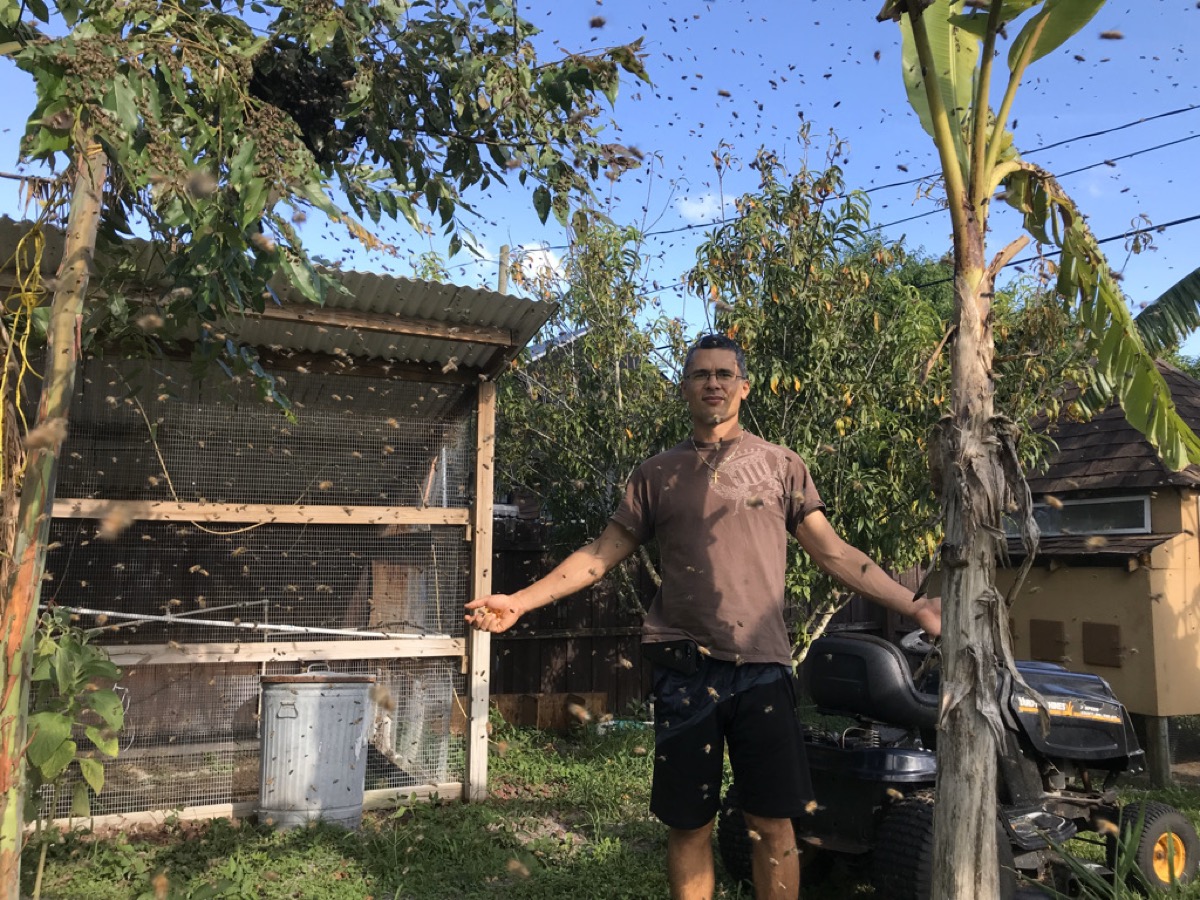
Swarm
A temporary cluster of bees, often on a branch, fence, or structure. Swarms may leave on their own, but can often be collected if accessible.
Honeybee Removal • Swarm Help
Send photos first for swarms, exposed comb, wall colonies, soffits, sheds, boats, and other honeybee situations.
Start With PhotosFastest way to get a useful answer
Bee To Z provides live honeybee relocation—not extermination. A close photo and a wider access photo help distinguish a temporary swarm from an established colony and reduce guesswork before scheduling.
Live honeybee relocation
Bee To Z is a beekeeping and live-relocation service, not a pest-control or extermination company. Our goal is to collect or remove the honeybees and relocate the colony to a managed apiary whenever the situation can be handled safely.
Some calls are temporary swarms. Others are established colonies inside walls, soffits, trees, sheds, boats, or equipment. Send photos first so we can confirm that they appear to be honeybees, review access, and explain whether live relocation is practical.
Removal pricing depends on access, height, structure, urgency, and how long the colony has been established. Photos help us avoid guessing and give you a more useful answer.
Request Bee Removal InfoWe do not spray, poison, or exterminate bees, wasps, hornets, or other pests. If extermination or general pest control is required, contact a licensed pest-control provider. Bee relocation also does not automatically include carpentry, repairs, painting, or sealing unless specifically agreed to before the job.
For urgent sting risk or known allergy emergencies, call emergency services first.
Types of calls
A temporary cluster of bees, often on a branch, fence, or structure. Swarms may leave on their own, but can often be collected if accessible.
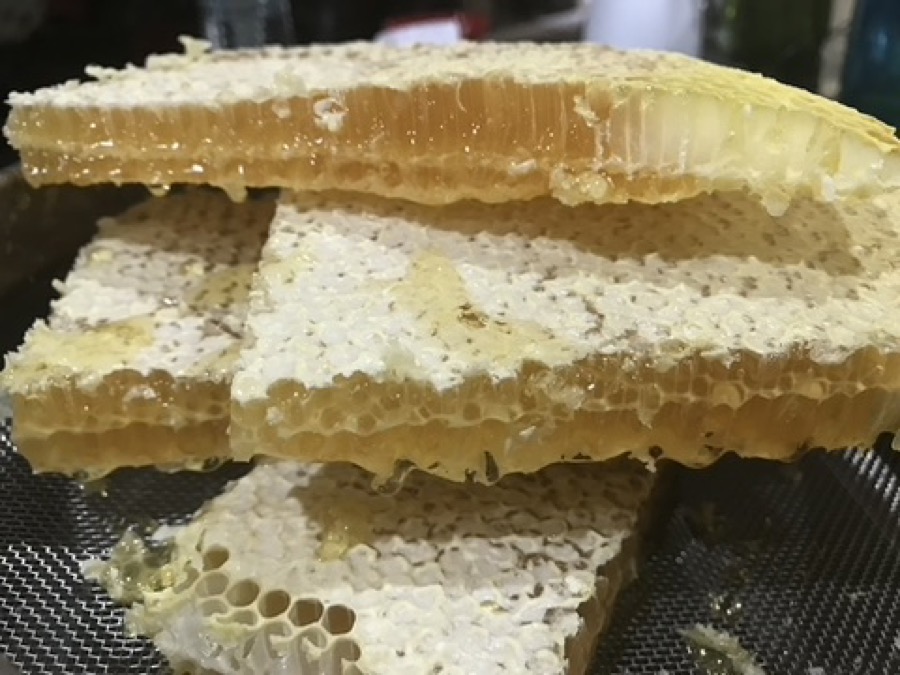
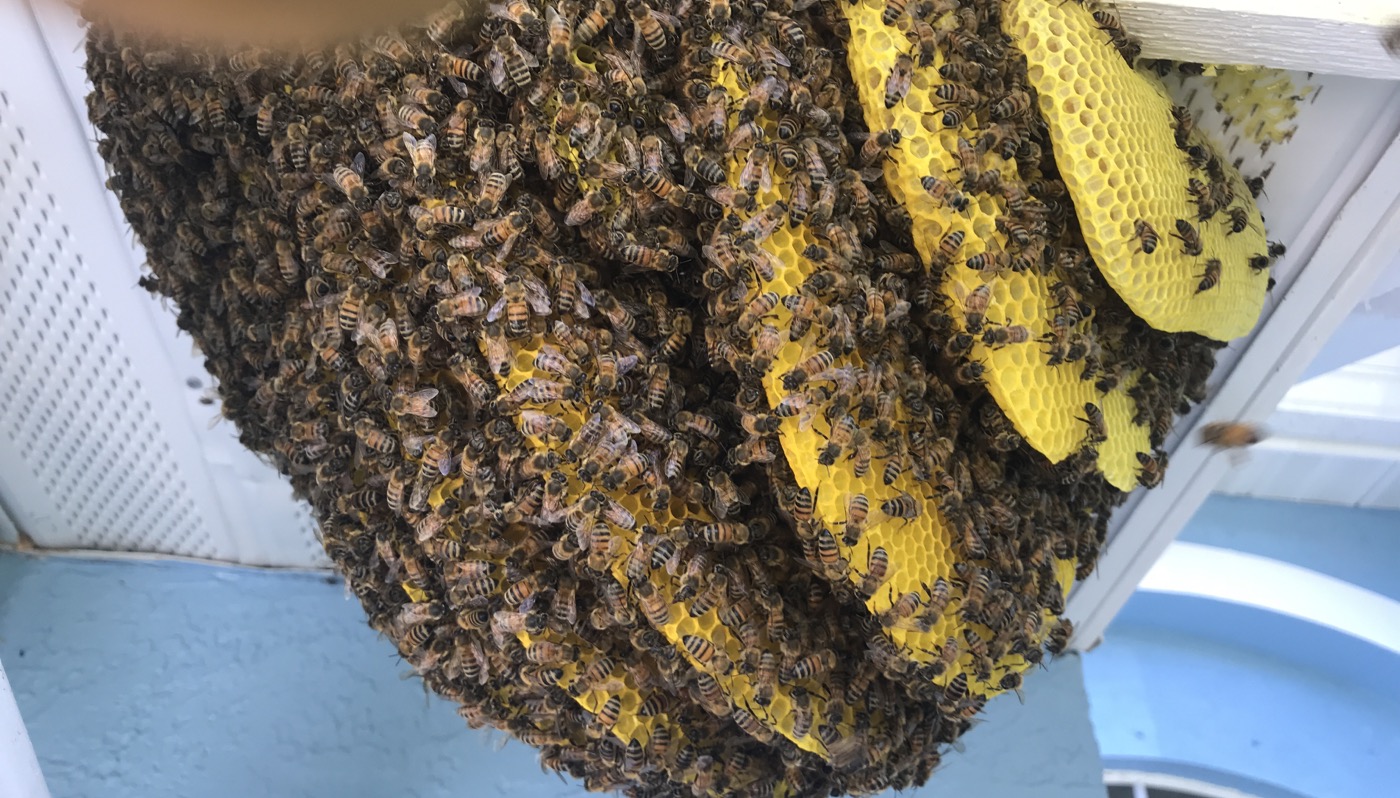
Bees with visible comb outside a structure. Access is usually easier than a wall colony, but timing and weather still matter.
Bees entering a wall, soffit, roofline, shed, or equipment. These usually require more work and follow-up sealing.
Ready to start?
The more clearly we can see the bees and the entrance point, the faster we can tell whether it looks like a swarm, exposed colony, or structural relocation. If the insects are not honeybees or the request requires extermination, we will recommend contacting an appropriate pest-control provider.
Request Honeybee Removal